
Backlink building in 2026 isn’t about chasing metrics or gaming algorithms. It’s about earning credible mentions in the right contexts, from publishers that search engines and AI systems already trust.
Google no longer evaluates links in isolation. It evaluates who mentions you, where you appear, and which entities you’re associated with. A backlink is now one signal within a broader authority graph.
This guide breaks down 12 backlink building techniques that still work in 2026 — not because they exploit loopholes, but because they align with how modern search systems interpret trust, relevance, and experience.
Key Takeaways
- High-quality backlinks come from relevant, trusted websites that mention your brand naturally — often alongside other authoritative entities.
- The fastest authority wins going into 2026 are reporter sourcing, outdated resource updates, brand-mention reclamation, and utility assets (data, tools, templates).
- AI should be used to prioritise, personalise, and follow up, not to mass-generate spam or fake editorial signals.
- Measure success by referring domains, contextual placement rate, co-citation overlap, and brand-mention velocity, not raw link volume.
- Penalty-safe link building means transparent disclosures, natural anchors, and editorial value first.
What Counts as a High-Quality Backlink in 2026?
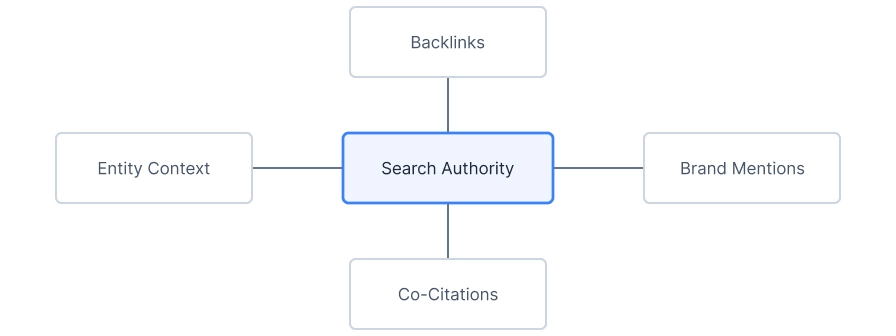
A high-quality backlink is an editorial, contextually relevant mention from a credible, indexed page. Its value comes from how and where it appears — not just the link itself.
The Signals That Matter
- Publisher trust: Real audience, consistent publishing history, and clear topical expertise.
- Topical alignment: Your brand is mentioned in context with subjects you want to be known for — not randomly inserted.
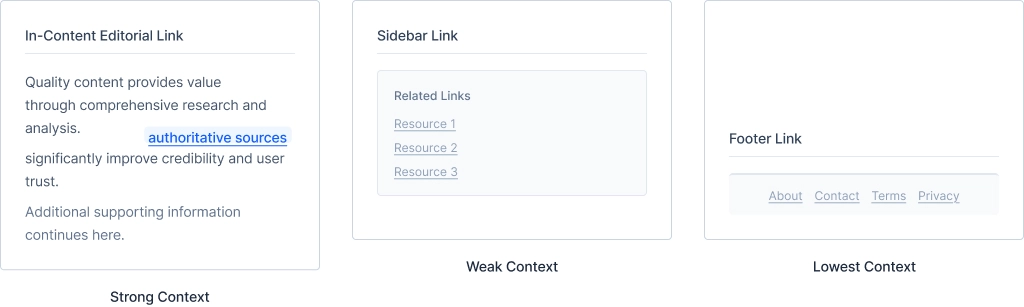
- Placement quality: In-content mentions outperform sidebars, author boxes, and footers.
- Transparency and compliance: Correct use of rel attributes (
sponsored,ugc) where required.
Co-Citation Matters More Than Ever
In 2026, co-citations — your brand appearing alongside trusted peers, even without a hyperlink — help search and AI systems understand where you belong.
A mention next to established tools, platforms, or experts often contributes more to authority classification than a low-context followed link.
TL;DR — 12 Backlink Building Techniques That Still Work
- Reporter & creator sourcing (HARO-style)
- Guest features for context, not anchor text
- Outdated resource updates (modern “Moving Man”)
- Broken link replacements (value-first swaps)
- Original data & statistics pages
- Free tools, templates & calculators
- Branded frameworks & named strategies
- Digital PR mini-campaigns
- Affiliate-led relevance (properly disclosed)
- Brand-mention reclamation
- Community contributions & co-citation
- Partnerships & co-marketing content
Throughout this guide, you’ll see how BacklinkIQ Copilot automates research, prioritisation, and follow-ups — without compromising quality or compliance.
Quick Compare: Impact vs Effort
| Technique | Primary Goal | Effort | Time to Impact | Risk | Best For |
|---|---|---|---|---|---|
| Reporter sourcing | Editorial authority | Medium | Fast | Low | SaaS, agencies, B2B |
| Guest features | Context & audience | Medium | Medium | Low | SaaS, creators |
| Outdated resources | Editorial replacement | Medium | Medium | Low | Any niche |
| Broken links | Fix & replace | High | Medium | Low | Content-heavy sites |
| Data studies | Citations at scale | High | Medium–long | Low | SEO & product teams |
| Free tools | Passive mentions | Medium | Medium–long | Low | Product-led growth |
| Branded frameworks | Long-term citations | Medium | Medium–long | Low | Thought leadership |
| Digital PR | High-authority hits | High | Medium | Medium | Larger brands |
| Affiliate content | Evergreen coverage | Medium | Medium | Low* | SaaS, ecommerce |
| Mention reclamation | Convert intent | Low | Fast | Low | Recognised brands |
| Community mentions | Co-citation | Low | Medium | Low | Founders, SMEs |
| Partnerships | Shared audiences | Medium | Medium | Low | Complementary tools |
* Use correct disclosure attributes.

SOP #1 — Reporter & Creator Sourcing
Why it works: Journalists and creators constantly need expert input. Evidence-backed insights earn citations that carry real authority.
How to do it
- Monitor journalist requests and niche creator groups.
- Qualify by topic relevance, publication quality, and response window.
- Write a 120–180 word quote with:
- 2–3 clear insights
- One credible statistic
- One brief real-world example
- Add a one-sentence credential and optional headshot.
- Respond quickly; follow up once after 2–3 days.
- Track placements by topic and authority.
KPIs: 10–25% pitch-to-mention rate; median DR 40–70; increasing overlap with authority peers.
Avoid if: you can’t support claims with real experience or data.
SOP #2 — Outdated Resource Updates
Why it works: The web evolves faster than links. Updating stale references is one of the cleanest editorial swaps available.
How to do it
- Identify outdated pages (retired tools, old screenshots, obsolete advice).
- Export sites linking to them and qualify for relevance.
- Publish a clearly improved, modern resource.
- Reach out politely and offer the updated reference.
- Confirm and log the placement.
Avoid if: your replacement content isn’t objectively better.
SOP #3 — Brand-Mention Reclamation
Why it works: If someone already mentions your brand, the intent is there. Converting mentions into links is often the fastest win.
How to do it
- Monitor unlinked mentions weekly (excluding social).
- Check sentiment and publisher quality.
- Send a polite note explaining that a link helps readers.
- Thank the publisher once updated.
Avoid if: the mention is negative or low-quality.
Data & Utility Magnets
4) Original Data & Statistics Pages
- Publish a dedicated statistics or research hub.
- Include copy-paste citation blocks.
- Update quarterly without changing the URL.
5) Free Tools, Templates & Calculators
- Build simple utilities (ROI calculators, pitch templates, trackers).
- Host one tool per URL for easy referencing.
- Provide embed codes where possible.
These assets earn passive, recurring citations.
Context-First Placement Tactics
6) Guest Features (Not Anchor Stuffing)
- Pitch publishers already ranking in your niche.
- Include tables, charts, or mini case studies.
- Let the brand mention occur naturally.
7) Name Your Strategy
- Package your process into a memorable framework.
- Publish a case-led explanation.
- Share it across podcasts, newsletters, and round-ups.
Named concepts get cited.
Digital PR & Visibility Plays
8) Digital PR Mini-Campaigns
- Publish new statistics, expert surveys, or contrarian insights.
- Pitch journalists with concise data summaries.
- Be transparent about methodology and sources.
Avoid if: the angle isn’t genuinely newsworthy.
Affiliate & Community Authority
9) Affiliate-Led Relevance
- Work with creators already ranking for comparison keywords.
- Provide screenshots, comparisons, and clear disclaimers.
- Always use
rel="sponsored"where required.
10) Community Co-Citation
- Contribute insights to forums, Slack groups, podcasts, and newsletters.
- Share quotable facts or micro case studies others reference.
Mentions here often drive secondary editorial links.
Partnerships & Co-Marketing
11) Tool-to-Tool Content
- Collaborate with complementary platforms.
- Publish joint guides or case studies.
- Link reciprocally where editorially justified.
12) Event & Webinar Recaps
- Host short webinars.
- Publish recaps with timestamps and templates.
- Attendees frequently link back as references.
AI & Automation: Use With Restraint
AI is powerful — and dangerous when misused.
Do not use AI to:
- Mass-generate outreach emails
- Create fake personas or bios
- Spin guest posts at scale
- Automate publisher relationships
Use AI to:
- Prioritise opportunities
- Personalise outreach intelligently
- Track placements and follow-ups
- Surface authority trends
BacklinkIQ Copilot is designed for assisted execution, not spam.
Compliance & Risk Guardrails
- Avoid link schemes, PBNs, and undisclosed paid placements.
- Use
sponsoredandugcattributes correctly. - Keep anchor text mostly branded or generic.
- Publish an editorial policy and disclosure page.
- Maintain real contact details and authorship.
Penalty-safe link building is about clarity and intent, not secrecy.
Measurement: What Actually Matters
- New referring domains (not total links)
- Contextual placement rate
- Co-citation overlap with trusted entities
- Brand-mention velocity (linked and unlinked)
- Traffic and ranking lift on linked pages
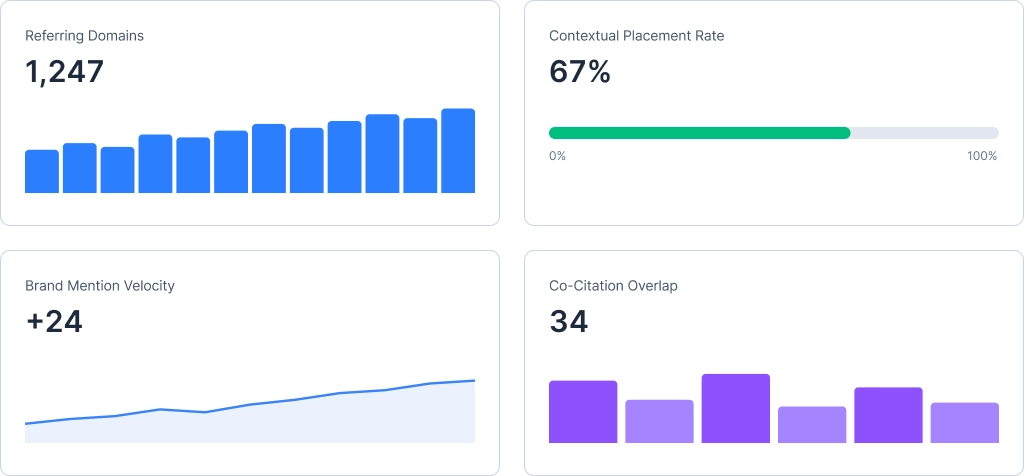
These metrics reflect authority growth, not vanity.
Frequently Asked Questions
What backlink building techniques work best in 2026?
Reporter sourcing, outdated resource updates, brand-mention reclamation, and data-driven assets deliver the most consistent results.
Do nofollow or sponsored links still matter?
Yes. They contribute to discovery, context, and brand association when used transparently.
How many backlinks do I need?
There’s no fixed number. A handful of trusted, relevant links often outperform dozens of weak ones.
Is guest posting still effective?
Yes — when done for audience value and contextual relevance, not anchor manipulation.
Can AI automate link building?
AI can assist research and prioritisation, but human judgment is essential for quality and compliance.
